SERENGETI NATIONAL PARK
Tanzania's Iconic Safari Destination
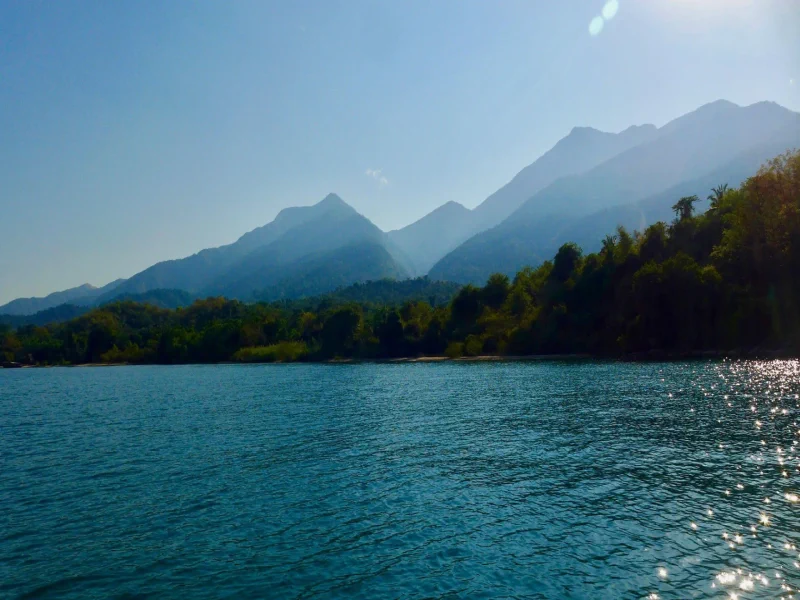
Stretching across 14,750 square kilometers, Serengeti National Park is a UNESCO World Heritage Site and the crown jewel of Tanzania's ecosystem. The name Serengeti comes from the Maasai word Siringit, meaning "endless plains," and it truly lives up to its name
Why Visit?
The Serengeti is globally renowned for the Great Wildebeest Migration, one of the world's most spectacular wildlife events. From endless grasslands to rock outcrops (kopjes) and rivers filled with hungry crocodiles, this landscape offers unparalleled drama and beauty. Whether you're a photographer, nature lover, or first-time traveler, the Serengeti delivers the quintessential African safari experience.
Why the Serengeti Captivates the World
The Great Migration
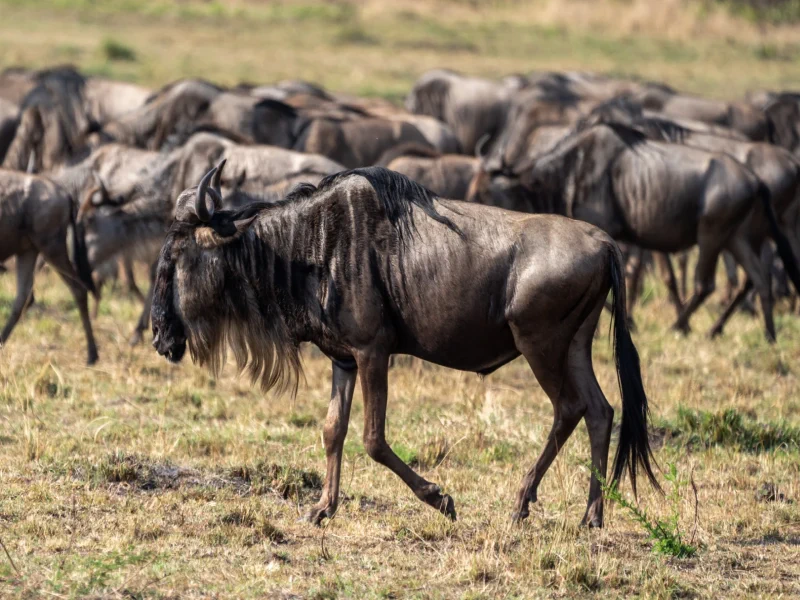
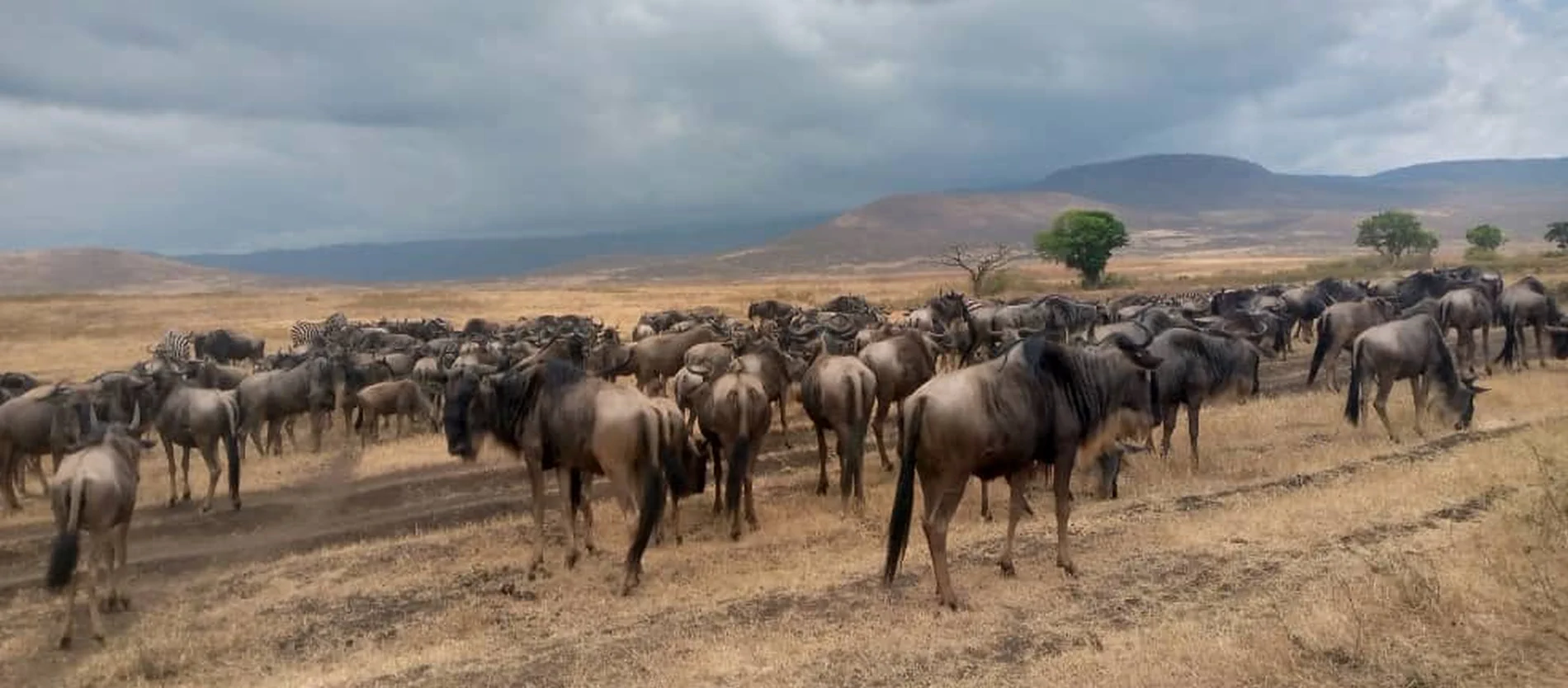
One of the greatest natural spectacles on Earth: over 1.5 million wildebeest, 200,000 zebras, and countless gazelles moving in a circular journey that spans the Serengeti and Kenya's Maasai Mara. Witness river crossings, calving season, or thundering herds on the plains for an unmatched experience.
One of the greatest natural spectacles on Earth: over 1.5 million wildebeest, 200,000 zebras, and countless gazelles moving in a circular journey that spans the Serengeti and Kenya's Maasai Mara. Witness river crossings, calving season, or thundering herds on the plains for an unmatched experience.
A Year-Round Eden
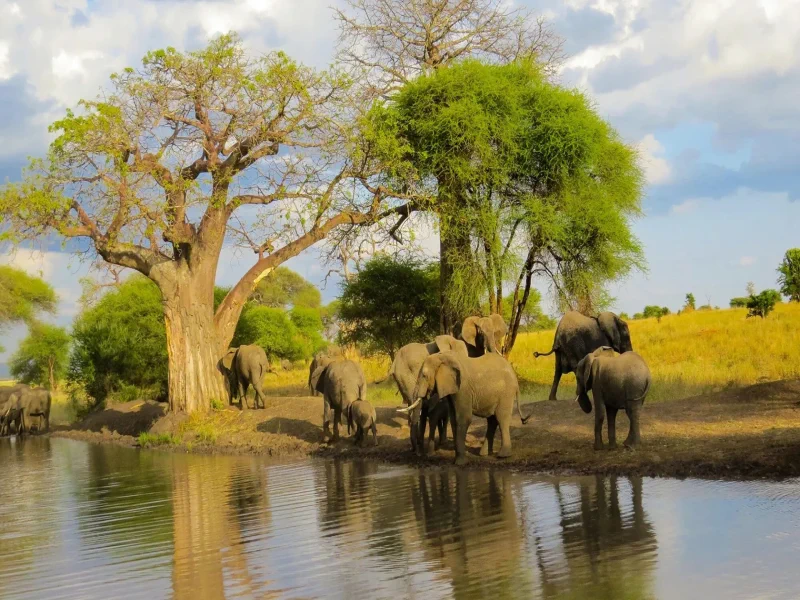
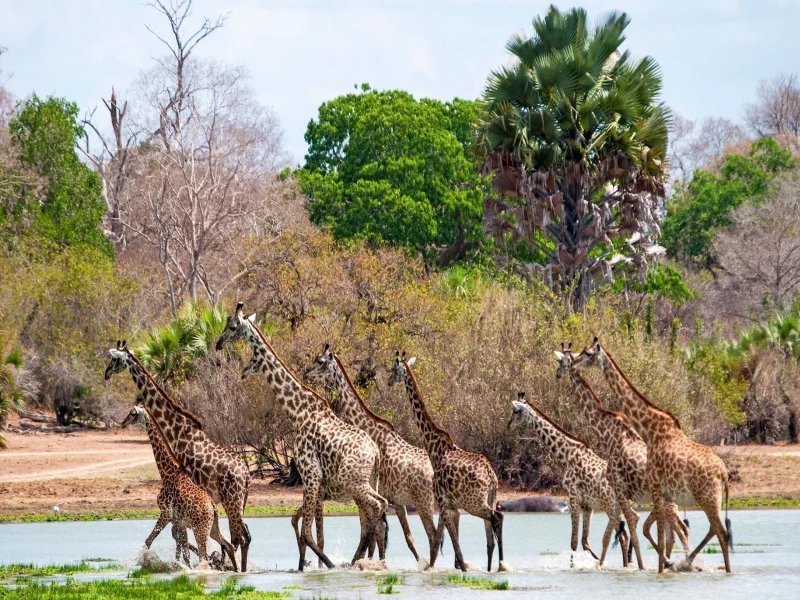
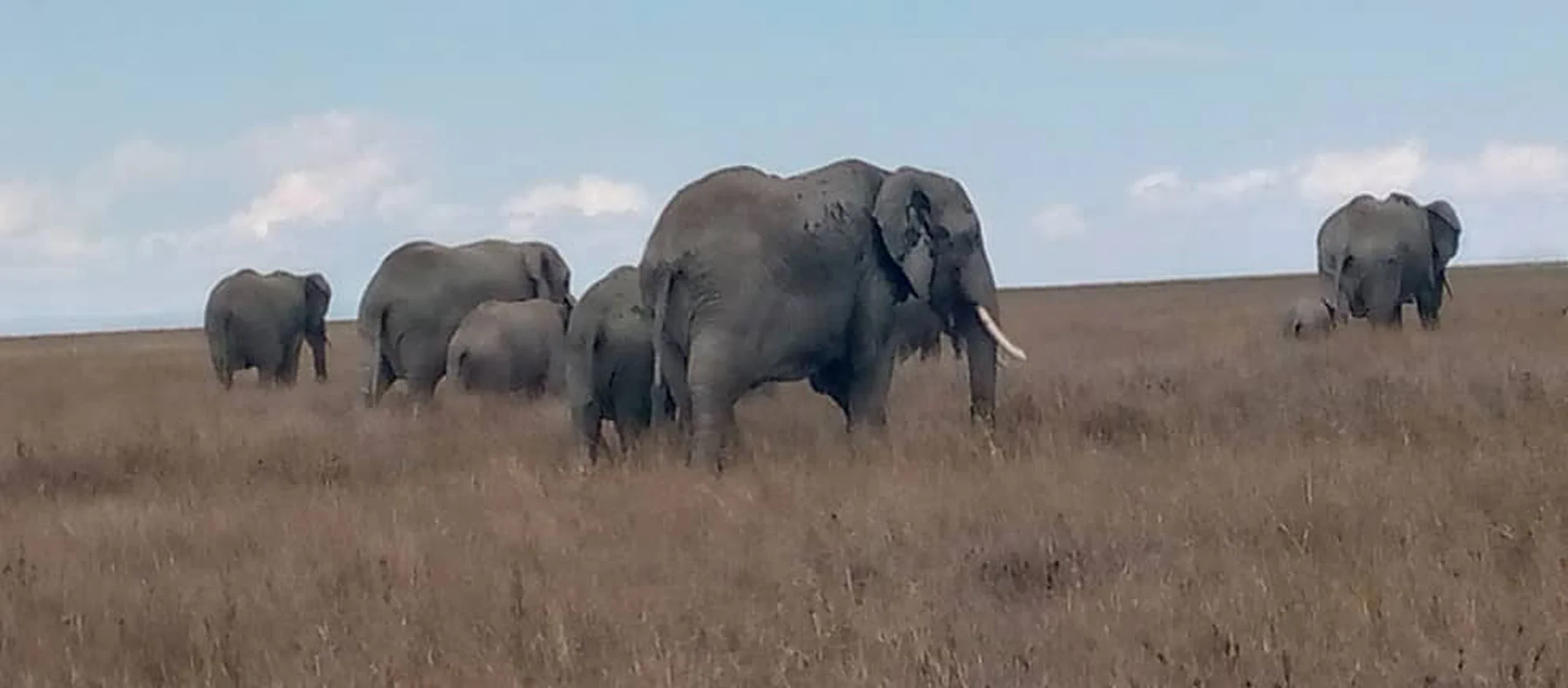
Even outside migration routes, the Serengeti teems with life. Its permanent residents (lions, leopards, elephants, giraffes, and buffalo) ensure incredible game viewing in every season.
Even outside migration routes, the Serengeti teems with life. Its permanent residents (lions, leopards, elephants, giraffes, and buffalo) ensure incredible game viewing in every season.
Predator Capital of Africa
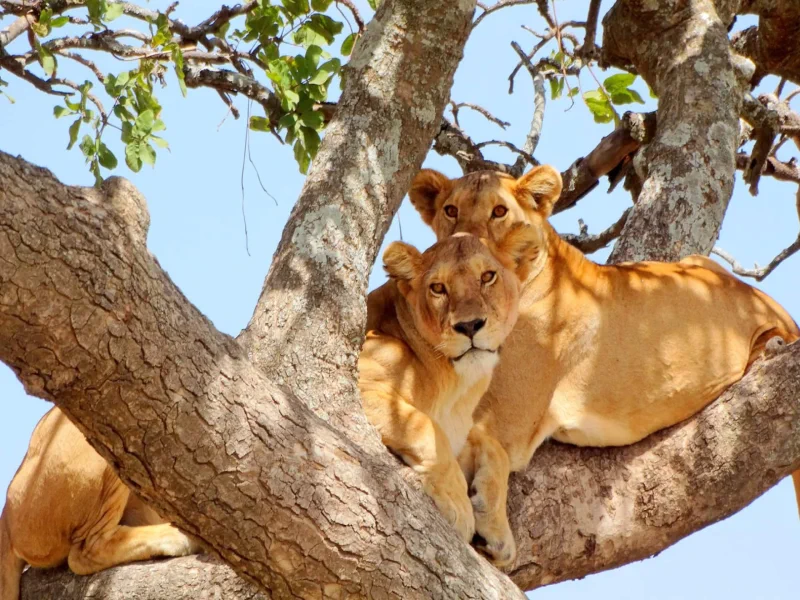
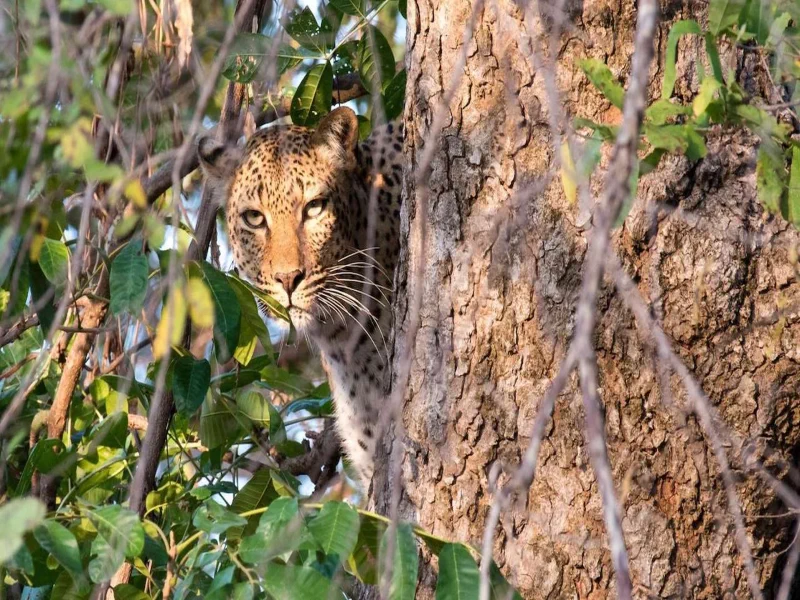
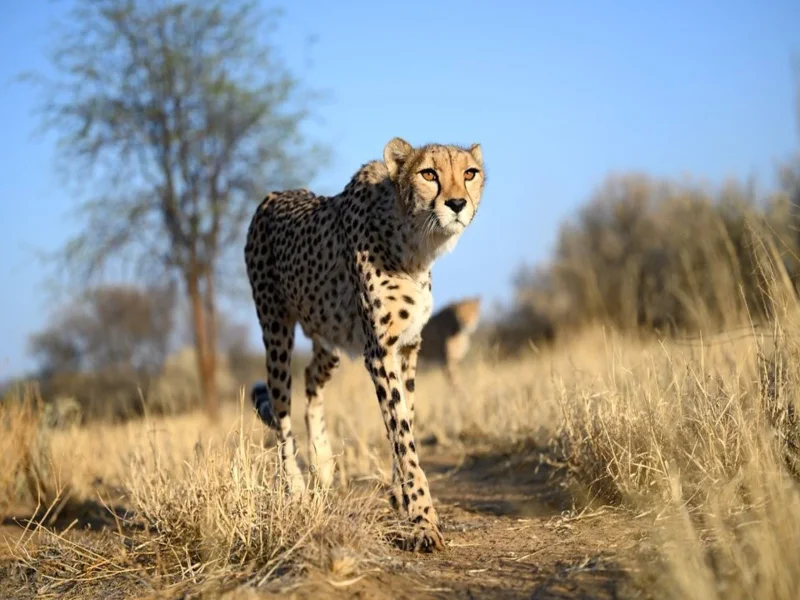
The Serengeti boasts one of the highest concentrations of predators in the world, with large prides of lions, clans of hyenas, sleek cheetahs, and elusive leopards.
The Serengeti boasts one of the highest concentrations of predators in the world, with large prides of lions, clans of hyenas, sleek cheetahs, and elusive leopards.
Breathtaking Landscapes
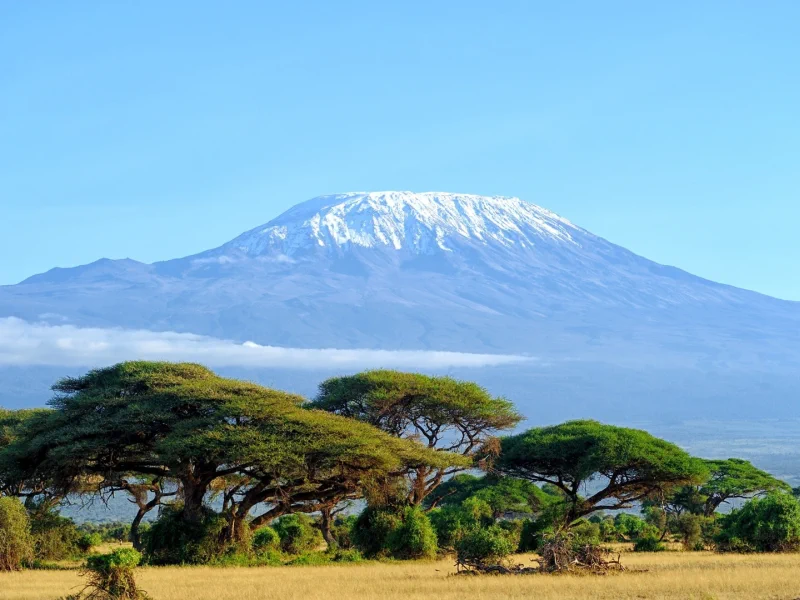
From endless plains glowing gold at sunset to rocky kopjes that inspired scenes in The Lion King, every inch of this park feels cinematic.
From endless plains glowing gold at sunset to rocky kopjes that inspired scenes in The Lion King, every inch of this park feels cinematic.
Heritage & Scale
A UNESCO World Heritage Site and one of the Seven Natural Wonders of Africa, the Serengeti spans nearly 15,000 km² of pure wilderness, part of the world's oldest and most complex ecosystems.
A UNESCO World Heritage Site and one of the Seven Natural Wonders of Africa, the Serengeti spans nearly 15,000 km² of pure wilderness, part of the world's oldest and most complex ecosystems.
Wildlife Highlights
The Big Five
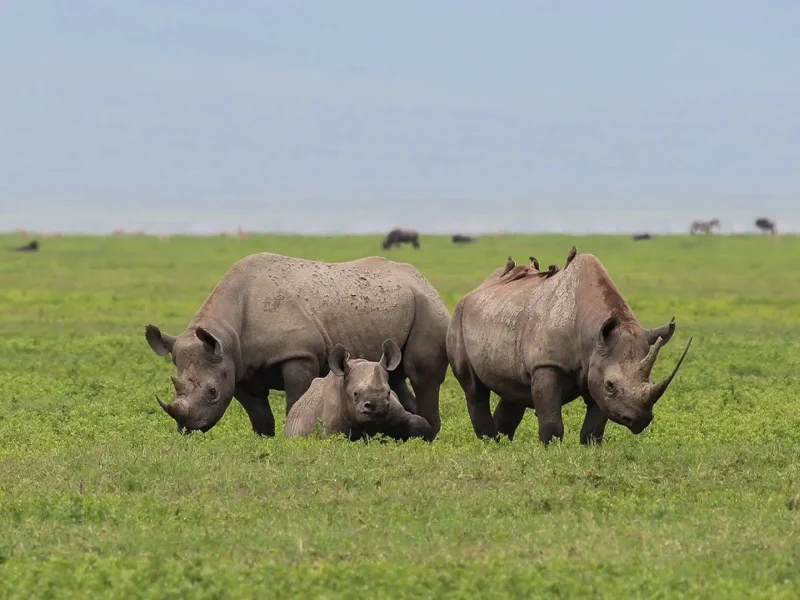
Lion, leopard, elephant, buffalo, and rhino in limited areas.
Lion, leopard, elephant, buffalo, and rhino in limited areas.
Massive Herds
Wildebeest and zebra dominate the plains in spectacular numbers.
Wildebeest and zebra dominate the plains in spectacular numbers.
Other Notables
Cheetah, giraffe, topi, hartebeest, warthog, hippo, hyena, and jackal.
Cheetah, giraffe, topi, hartebeest, warthog, hippo, hyena, and jackal.
Birdlife
Over 500 species, from ostriches striding across the plains to colorful rollers and predators like martial eagles.
Over 500 species, from ostriches striding across the plains to colorful rollers and predators like martial eagles.
Experiences You'll Never Forget
Game Drives
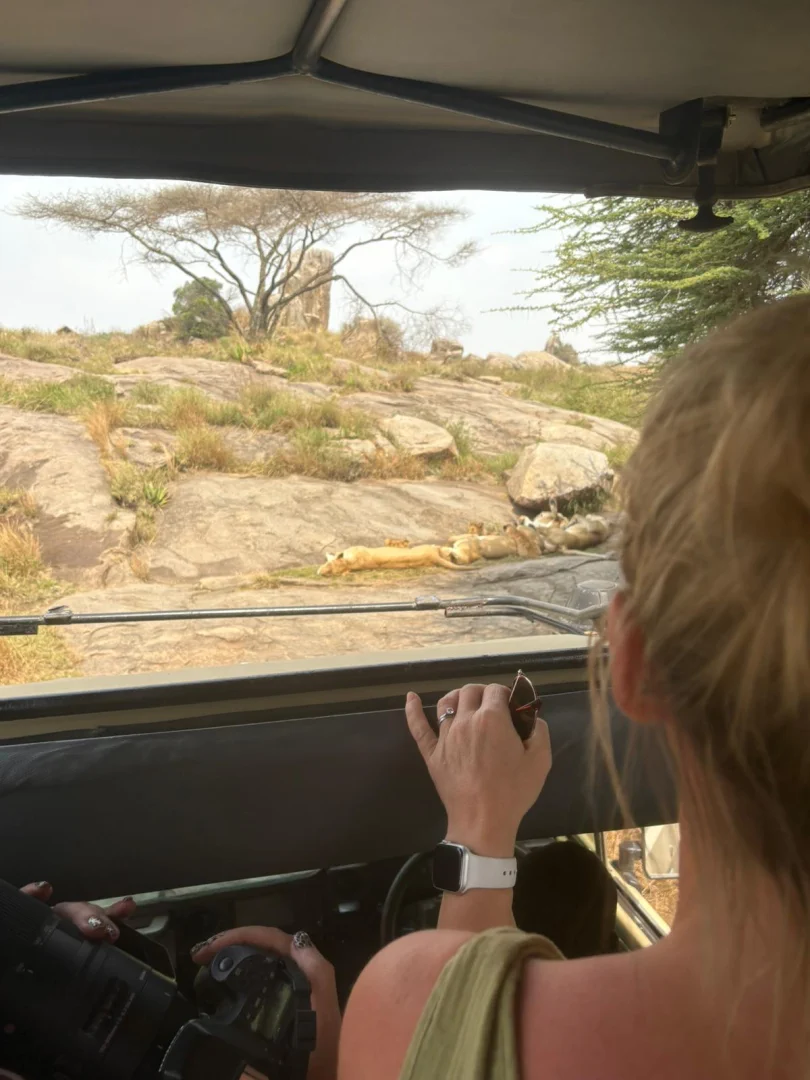
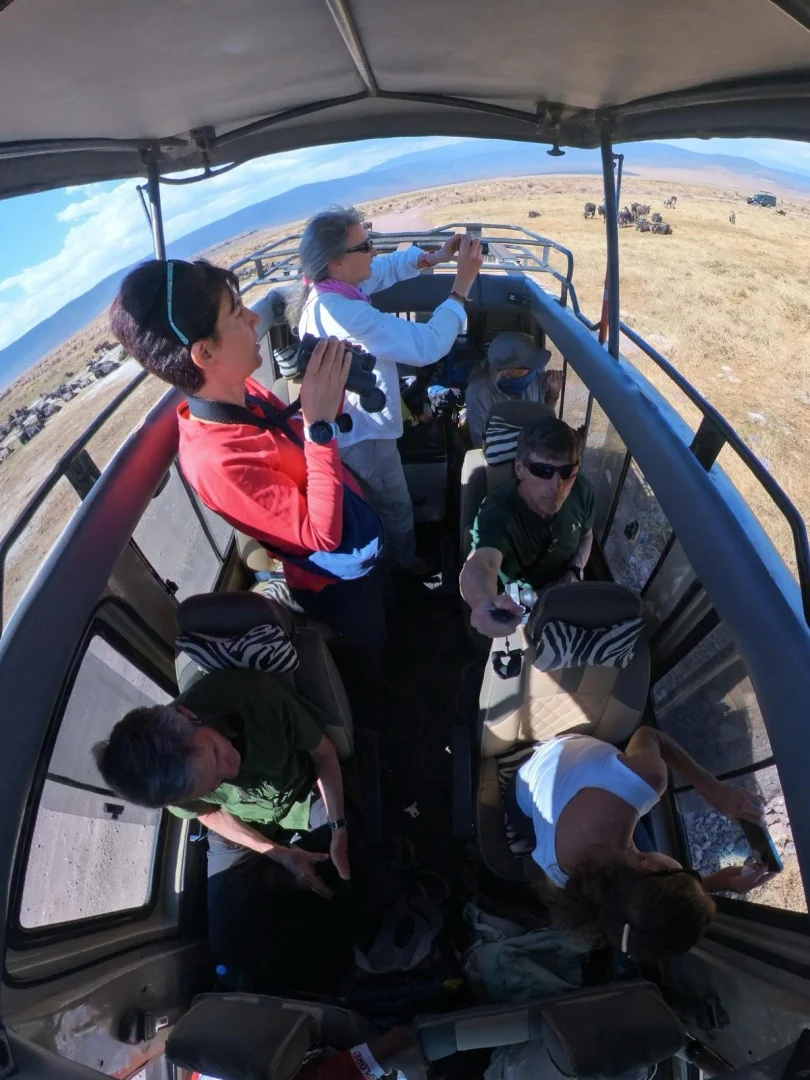
The heart of the Serengeti experience; each region offers something unique: the Central Seronera Valley (year-round big cats), the Western Corridor (Grumeti River crossings), the Northern Serengeti (dramatic Mara River crossings), and the Southern Plains (calving season).
The heart of the Serengeti experience; each region offers something unique: the Central Seronera Valley (year-round big cats), the Western Corridor (Grumeti River crossings), the Northern Serengeti (dramatic Mara River crossings), and the Southern Plains (calving season).
Hot Air Balloon Safaris
Float silently above the plains at sunrise, watch the herds below bathed in golden light. This is an unforgettable highlight.
Float silently above the plains at sunrise, watch the herds below bathed in golden light. This is an unforgettable highlight.
Photography
Sweeping vistas and abundant wildlife make the Serengeti a dream for every nature photographer.
Sweeping vistas and abundant wildlife make the Serengeti a dream for every nature photographer.
Cultural Encounters
Visit nearby Maasai communities to experience their traditions and learn how they live in harmony with the wild.
Visit nearby Maasai communities to experience their traditions and learn how they live in harmony with the wild.


Explore More Tanzania Destinations