NGORONGORO CRATER
Discover the Eden of Africa
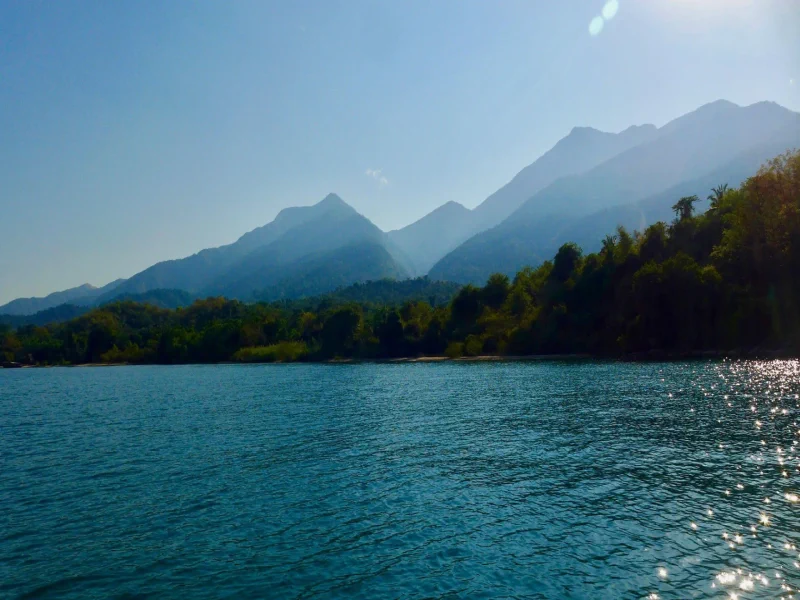
Carved by ancient volcanic forces, the Ngorongoro Crater is the world's largest intact caldera and a UNESCO World Heritage Site. Spanning 260 square kilometers, its enclosed ecosystem is often described as "Africa's Eden," offering one of the most concentrated wildlife viewing experiences on Earth.
Why Visit?


Why Ngorongoro Captivates the World
-
A Natural Wonder Formed two million years ago by a massive volcanic eruption, the crater's sheer scale and beauty are breathtaking.
-
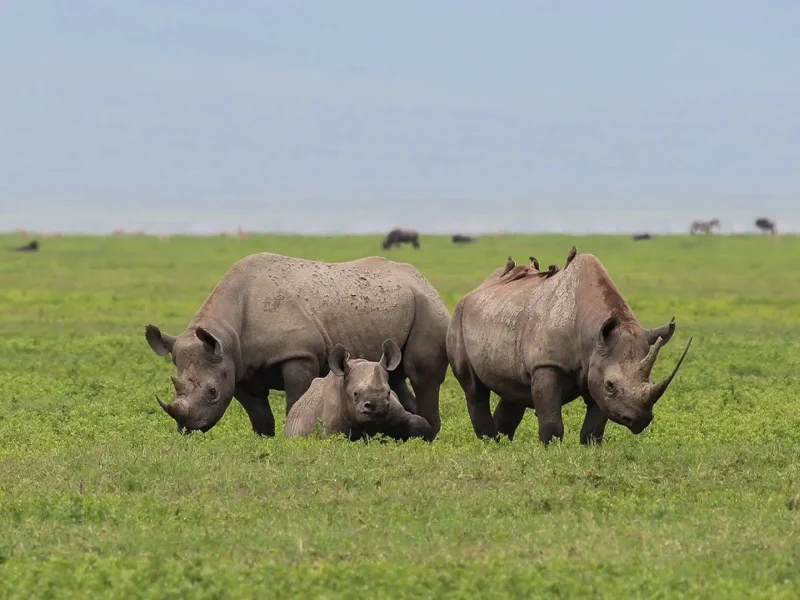
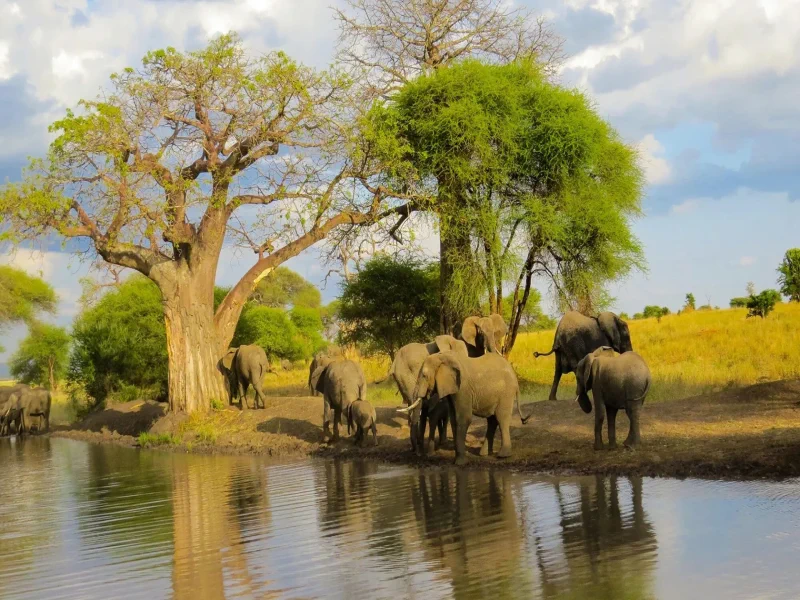
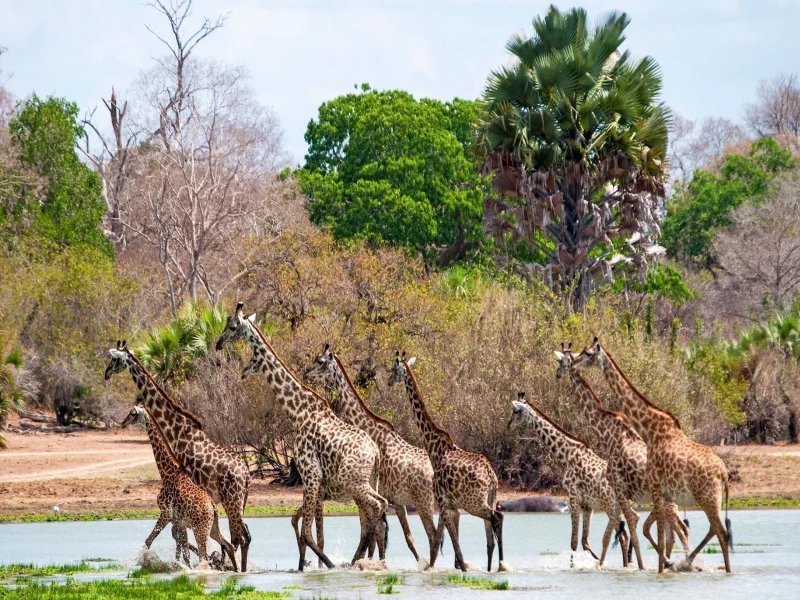
Wildlife Density Over 25,000 large animals inhabit the crater floor, including lions, elephants, buffalo, and the rare black rhino.
-
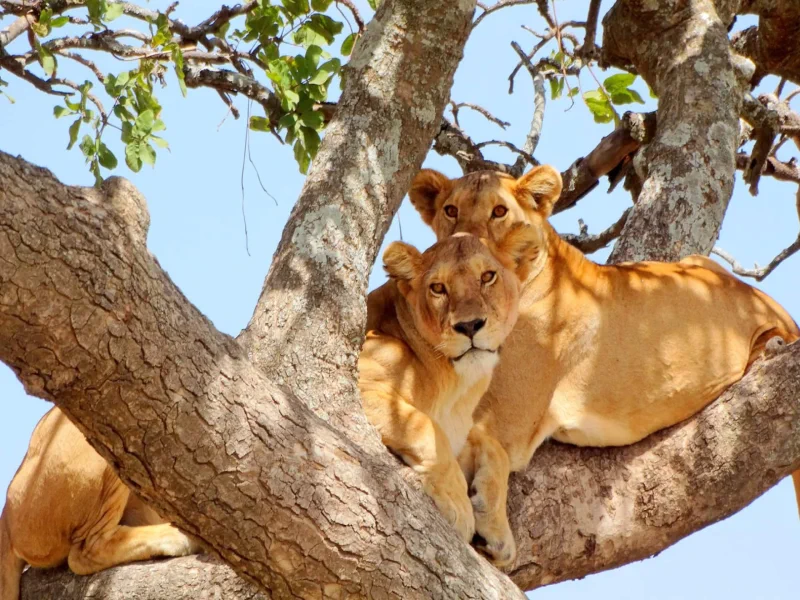
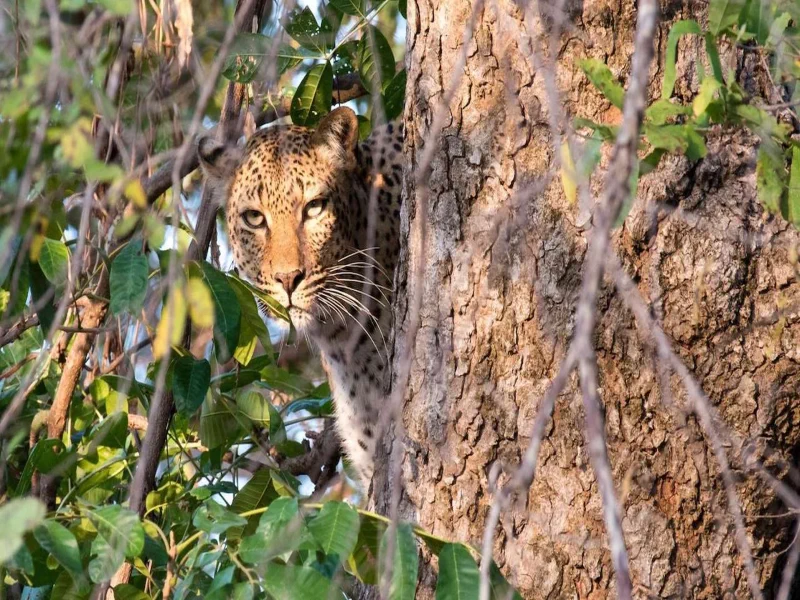
Predator Haven Lions thrive here, supported by plentiful prey. Hyenas, leopards, and jackals add to the drama.
-
Scenic Splendor From lush grasslands to shimmering soda lakes filled with flamingos, every view is a masterpiece.
-
Cultural Heritage The surrounding Ngorongoro Conservation Area is home to the Maasai, whose traditions and coexistence with wildlife enrich the experience.
Wildlife Highlights
-
The Big Five: Lion, leopard, elephant, buffalo, and the endangered black rhino.
-
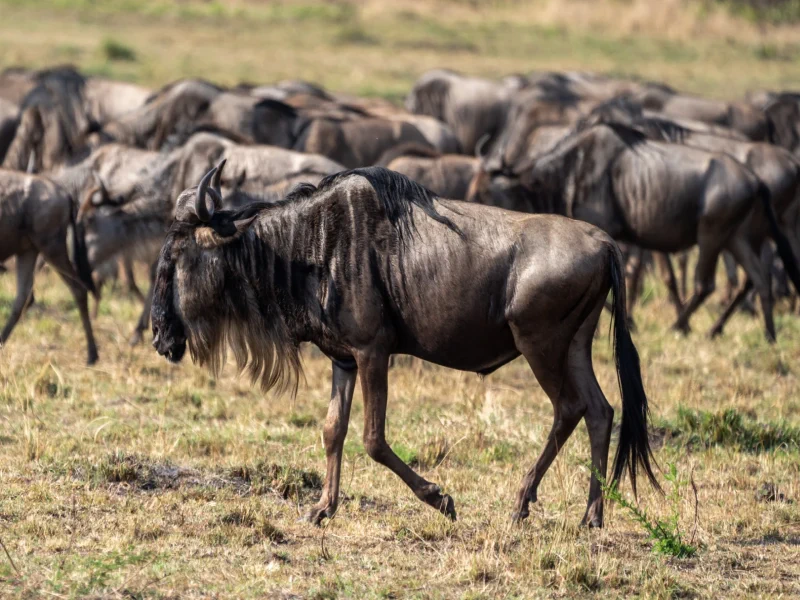
Massive Herds: Wildebeest, zebra, and gazelle dominate the crater floor.
-
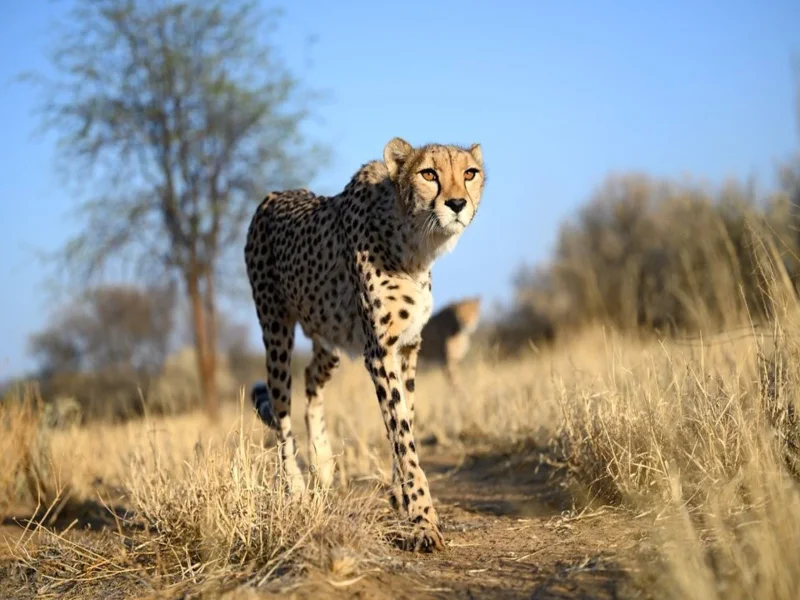
Other Notables: Hippo pods in Lake Magadi, cheetahs on open plains, and abundant birdlife with over 500 species.


Experiences You'll Never Forget
-
Game Drives Descend into the crater for close-up encounters with wildlife in a setting unlike anywhere else.
-
Photography Capture dramatic landscapes framed by crater walls and wildlife at astonishing proximity.
-
Cultural Encounters Visit Maasai villages on the crater rim to learn about their traditions and way of life.


Explore More Tanzania Destinations