Gorilla Trekking in East Africa
Step into the misty forests of Uganda & Rwanda to meet the gentle giants of the wild.
Gorilla trekking is one of the most extraordinary wildlife experiences on Earth. Guided hikes take you deep into tropical forests, where you'll encounter mountain gorillas in their natural habitat a rare privilege few travelers ever experience.
Permits are strictly limited each day, ensuring intimate encounters and protecting these endangered species. This exclusivity makes gorilla trekking not just a safari highlight, but a once‑in‑a‑lifetime journey.
East Africa offers the best destinations for this adventure: Uganda's Bwindi Impenetrable Forest, home to nearly half of the world's mountain gorillas, and Rwanda's Volcanoes National Park, famous for Dian Fossey's pioneering research.
The Gorilla Experience
Your trek begins with a hike through dense jungle, guided by expert trackers who follow signs of gorilla movement. Along the way, you'll hear bird calls, see butterflies, and feel the magic of the forest.
The moment you encounter a gorilla family is unforgettable: watching them groom, play, and care for their young in peaceful harmony. Many travelers describe it as deeply emotional a connection that stays with them forever.
Every permit purchased contributes directly to conservation efforts, supporting gorilla protection and local communities who share these forests.


Best Places to Trek
-
Bwindi Impenetrable Forest (Uganda): Home to nearly half of the world's mountain gorillas.
-
Volcanoes National Park (Rwanda): Famous for Dian Fossey's research and accessible treks.
-
Mgahinga Gorilla National Park (Uganda): Smaller but equally rewarding, with fewer visitors.
Safari Highlights Section
-
Limited permits ensure intimate encounters.
-
Expert trackers and guides lead the way.
-
Chance to see gorilla families up close.
-
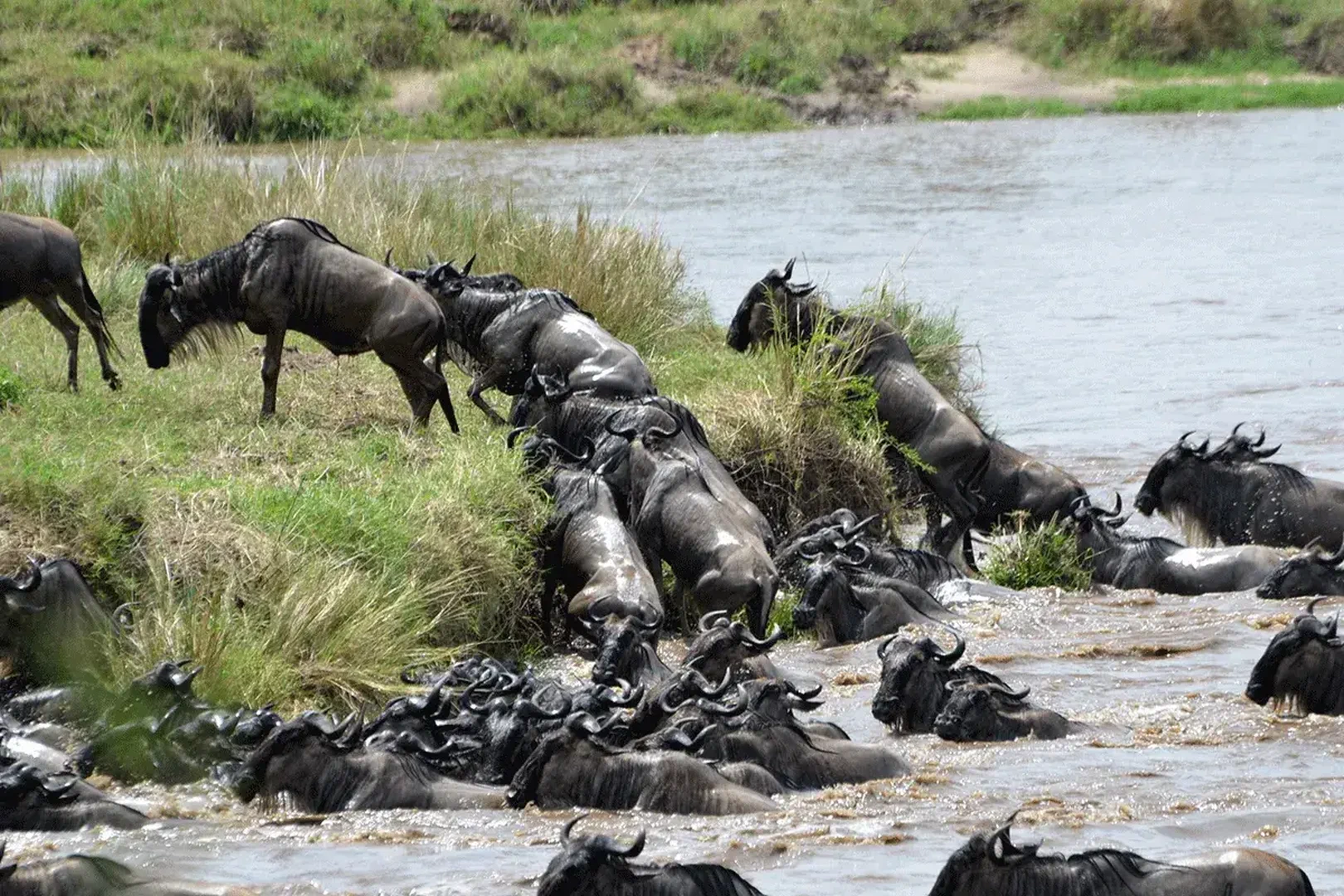
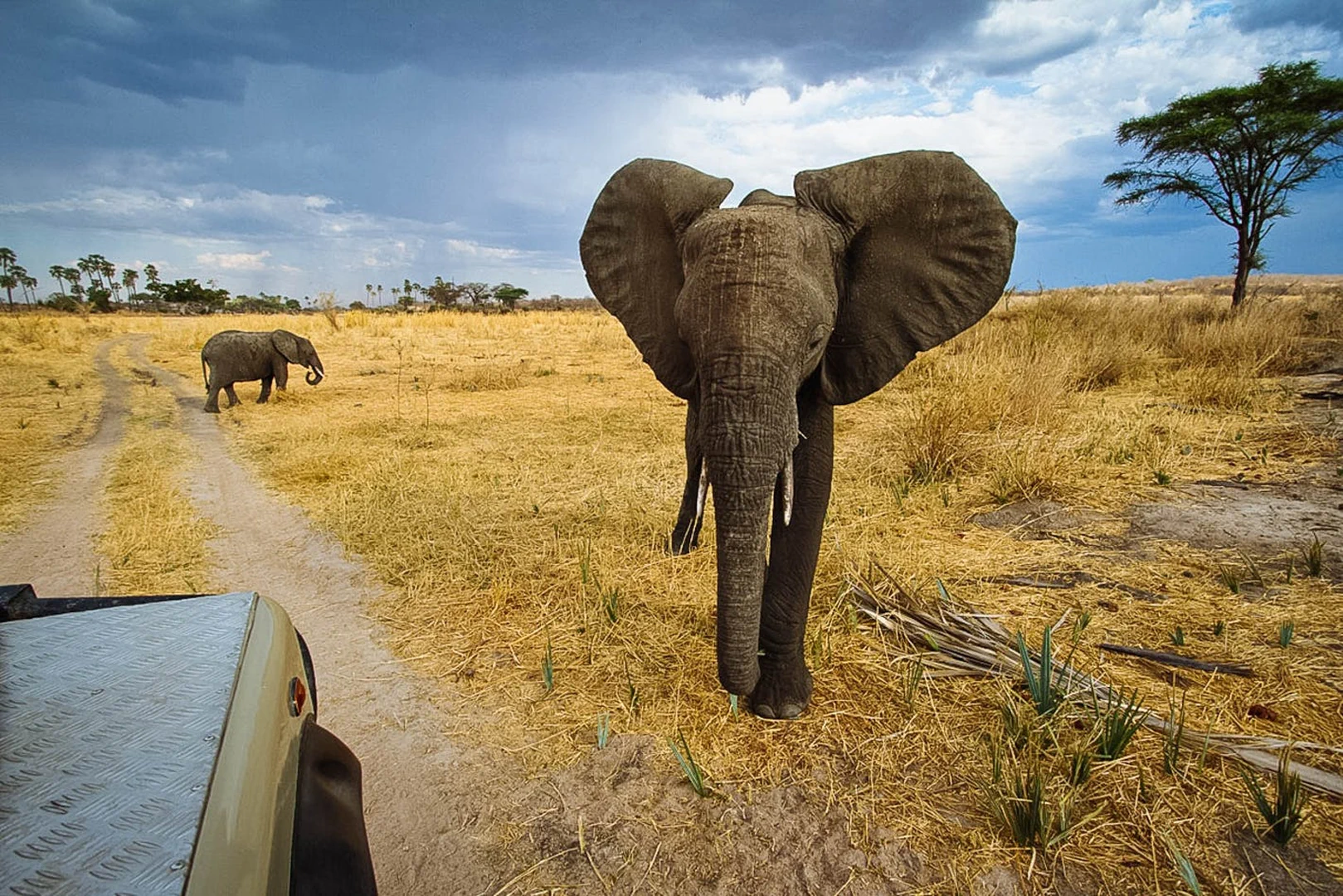
Combine trekking with other safaris (Big Five, Great Migration).


Safari Highlights Section
- Expert guides tracking herd movements.
- Luxury lodges positioned near migration routes.
- Seasonal itineraries tailored to maximize sightings.